AARTO Demerit System Launches Nationwide 1 September 2026
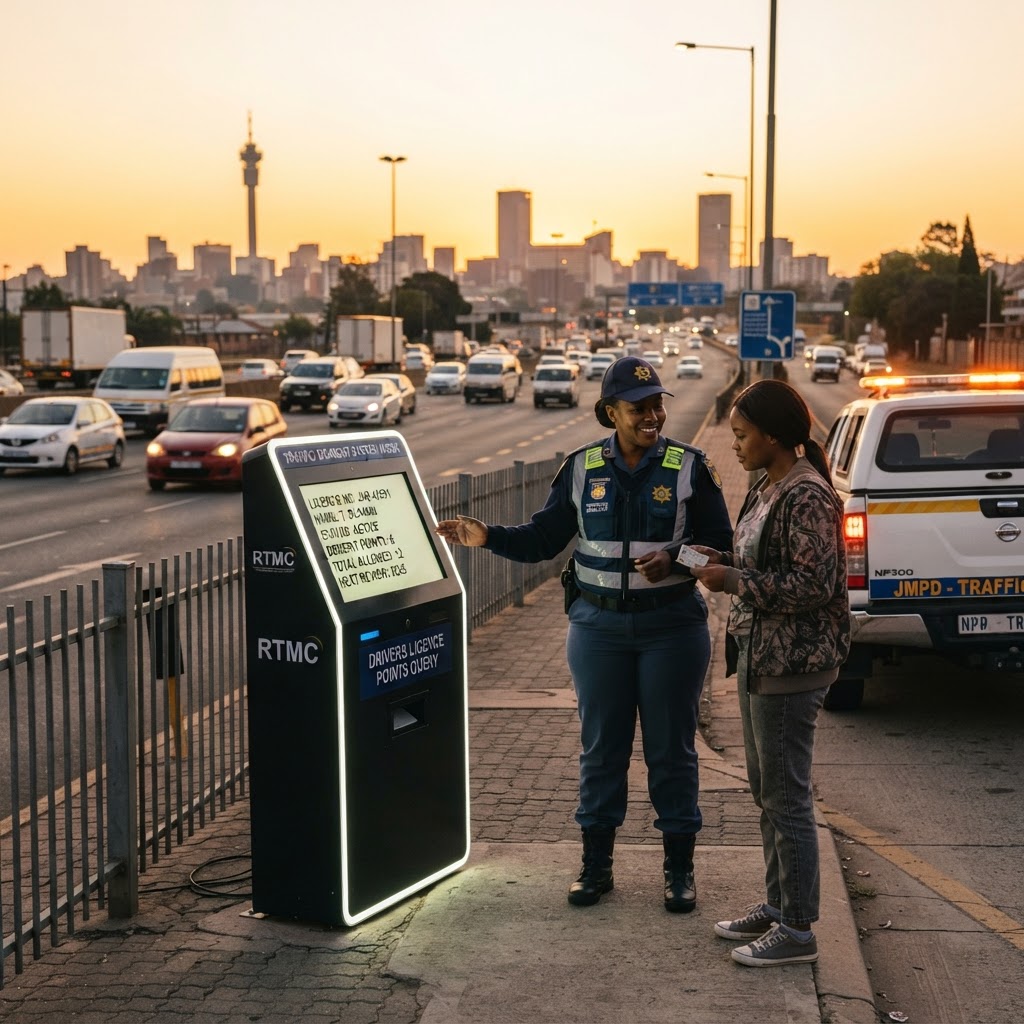
After more than a decade of delays, pilot programmes and court challenges, South Africa's AARTO demerit system will finally activate nationwide on 1 September 2026. This isn't a new set of fines — it's a fundamentally different way of policing driver behaviour, where points attached to your licence, not just your wallet, determine whether you keep the right to drive.
Every licensed driver starts at zero points. Break the rules and you accumulate points depending on severity — from 1 point for minor infractions like an expired vehicle registration, up to 6 points for offences like drunk driving. Cross 15 points and your licence is automatically suspended for three months per point over the threshold. Three suspensions and your licence is cancelled permanently, forcing you back to square one with learner and driving tests.
The system also changes how fines reach you. Notices will arrive by SMS or email, and 'I never got the letter' will no longer hold up as a defence. You'll have 32 days to pay at a 50% discount before an enforcement order kicks in — one that can block your licence disc renewal until it's resolved.
This rollout has already been underway in 62 major municipalities since 1 July 2026, but actual point allocation was held back to allow NaTIS to sync with municipal systems. From 1 September, that switch flips on nationally. By the end of 2026, a further 151 municipalities join in Phase 3, completing the transition away from the old criminal-fine model entirely.
What Happened
The Department of Transport, via the Road Traffic Infringement Agency (RTIA), has confirmed that the demerit-point component of the AARTO Act will go live nationwide on 1 September 2026. This follows a 2023 Constitutional Court ruling that upheld the Act's legality after years of legal challenges from civil rights groups.
The rollout has been staged deliberately: Phase 1 introduced AARTO administration in Tshwane and Johannesburg years ago, Phase 2 (from 1 July 2026) extended the framework to 62 major municipalities for fine processing, and now Phase 3 will activate actual demerit-point allocation nationally before expanding to the remaining 151 municipalities between October and December 2026.
The practical effect is that traffic fines stop being purely a monetary matter and start directly threatening your right to hold a licence.
Why It Matters
For most of South Africa's driving history, a traffic fine has been a financial inconvenience — annoying, but rarely a threat to your ability to get behind the wheel. AARTO changes that calculus entirely. A pattern of small infringements — a rolling stop here, an expired disc there — can now silently stack up toward a licence suspension, even if you've never been arrested or appeared in court.
This matters enormously for anyone who drives for a living: delivery drivers, Uber and Bolt operators, sales reps, truckers and fleet employees. A suspended licence isn't just inconvenient for them — it's an immediate loss of income. Employers and fleet managers now have a direct incentive to monitor employee driving records, because a driver's demerit points become a business risk.
The shift to electronic notification is equally significant. Fines you never physically see can still result in an enforcement order blocking your licence disc renewal. Ignorance is no longer a legal shield, which means every driver needs to actively check their status rather than waiting for a letter that may never come.
Who Is Affected
Every licensed driver in South Africa will eventually fall under this system, but the immediate impact from 1 September 2026 hits drivers in the 62 municipalities already in Phase 2 — including major metros — hardest, since point allocation activates there first. Commercial drivers, fleet operators, e-hailing drivers, and repeat minor offenders face the greatest practical risk.
Fleet managers and company car administrators should pay particular attention, as demerit points accumulate against individual driver's licences, not vehicles — meaning a single reckless employee could lose their licence and disrupt operations with no advance warning if records aren't monitored.
What You Should Do
Start by registering for electronic notifications and regularly checking your status on the RTIA's eNaTIS or AARTO portals, since fines will no longer arrive by post and missing one carries real consequences. Pay outstanding fines within the 32-day window to secure the 50% discount and avoid an enforcement order that could block your licence disc renewal.
If you drive professionally or manage a fleet, audit your drivers' fine histories now, before September, and address any outstanding infringements. Build simple habits — full stops, correct speed, valid registration and licence discs — since even minor repeated offences can now snowball into a suspension.
Finally, understand the recovery mechanism: three consecutive months without a new infringement removes one point from your record, so clean driving is directly rewarded, not just punished for breaches.
DriveLedger Insight
DriveLedger's view is that AARTO fundamentally changes what 'vehicle ownership risk' means in South Africa — it's no longer just about maintenance costs and depreciation, but about the driving record attached to whoever holds the keys. We expect a measurable shift in how employers structure driving duties and how car-sharing or family vehicle arrangements are managed, since one driver's poor habits can now sideline a vehicle's usability for months.
We also anticipate a surge in demand for driver-record verification services as insurers, employers and even private vehicle sellers start treating a clean demerit record as a proxy for a lower-risk driver — expect this to eventually influence insurance premiums and employment vetting in the same way credit checks do today.
Action Checklist
- Register for SMS/email fine notifications via NaTIS/AARTO portals before September 2026
- Check your current traffic fine history and outstanding infringements immediately
- Pay any outstanding fines within 32 days to get the 50% early-payment discount
- If you manage a fleet or employees who drive, audit all staff driving records now
- Renew your vehicle licence disc promptly to avoid conflicts with enforcement orders
- Practice consistent compliant driving to benefit from the 3-month point recovery rule
- Bookmark official RTIA channels to track your demerit point status once live