Isuzu Recalls 2,586 D-Max Bakkies Over Brake Pedal Fault
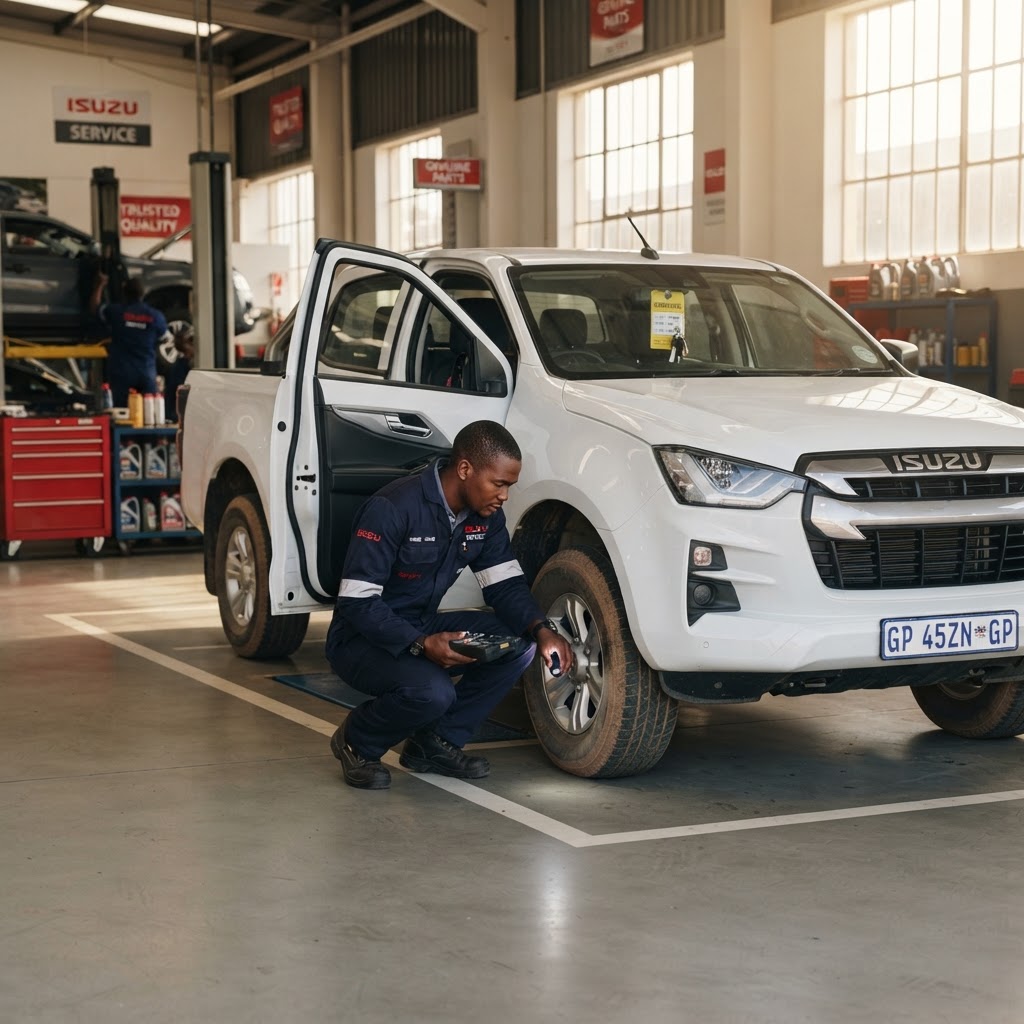
Isuzu Motors South Africa has issued a safety recall for 2,586 current-generation D-Max bakkies built on the RG19 platform after identifying a potential fault in the brake pedal assembly. The issue centres on the pivot pin that holds the brake pedal in place — if this pin is loose, the pedal can shift sideways during braking, which may reduce how effectively the brakes respond when you need them most.
The recall covers single-cab, double-cab, and extended-cab D-Max models sold across South Africa between 11 May 2026 and 3 July 2026, a narrow production window that helps Isuzu pinpoint exactly which vehicles need attention. The fault was flagged to the National Consumer Commission, which triggered the formal recall process now underway.
This is not a case of Isuzu waiting for accidents to happen — it's a proactive, regulator-notified recall, which is the system working as intended. The company has confirmed all inspections and repairs will be done free of charge at authorised dealerships, and has set up dedicated contact channels for South African owners as well as those in eight neighbouring countries where exported units were sold.
For D-Max owners, the practical takeaway is simple: this is a quick, no-cost fix that closes a real safety gap. The bigger risk isn't the recall itself — it's ignoring it.
What Happened
Isuzu Motors South Africa identified a manufacturing defect in the brake pedal pivot pin fitted to certain D-Max bakkies built on the RG19 platform. If the pin works loose over time, the brake pedal can move laterally instead of pressing straight down, which may interfere with consistent, predictable braking force.
The National Consumer Commission was notified, and Isuzu has now issued a formal recall covering 2,586 vehicles sold in South Africa between 11 May and 3 July 2026. The recall also extends to Botswana, Malawi, Mozambique, Namibia, Zimbabwe, Tanzania, eSwatini, Uganda, and Zambia, reflecting how many of these units were exported into the regional market.
Affected owners are being asked to book an inspection at their nearest authorised Isuzu dealer, where technicians will check and, if necessary, replace the pivot pin assembly at no charge.
Why It Matters
Brakes are the one system in your vehicle where there's no margin for compromise. A loose pivot pin might feel like a minor mechanical detail, but in practice it means the difference between a firm, predictable pedal and one that shifts unpredictably under pressure — precisely when you're trying to stop safely, whether that's an emergency stop on the N1 or a controlled descent towing a trailer.
For bakkie owners specifically, this matters more than it might for a passenger car. D-Max models are frequently used for towing, hauling loads, and off-road work, all of which place extra demand on braking systems. A compromised pedal under load conditions carries higher risk than the same fault in a lightly loaded sedan.
There's also a resale and insurance angle worth understanding. An open recall on your vehicle's record can complicate a future sale or trade-in if it isn't resolved, and in the rare event of a brake-related incident, an unaddressed recall notice could affect how an insurance claim is assessed.
Who Is Affected
This recall applies specifically to Isuzu D-Max bakkies built on the RG19 platform — single-cab, double-cab, and extended-cab variants — sold new in South Africa between 11 May 2026 and 3 July 2026. It also affects D-Max owners in Botswana, Malawi, Mozambique, Namibia, Zimbabwe, Tanzania, eSwatini, Uganda, and Zambia who purchased vehicles from the same production batch.
Not every D-Max on South African roads is affected — only units within this specific build window and factory code. Owners who bought their D-Max outside these dates, or who drive earlier-generation models, are not part of this recall.
What You Should Do
If you own a D-Max purchased between May and July 2026, don't wait for a formal letter to arrive before acting — contact your nearest authorised Isuzu dealer directly to confirm whether your specific vehicle is on the affected list. Have your VIN (vehicle identification number) ready, as this is the fastest way for a dealer to check your status against Isuzu's recall database.
South African owners can call Isuzu customer care on 08000 ISUZU (47898) and select option 2, or email customercare@isuzu.co.za. Owners in the listed neighbouring countries should call +27 41 403 2555. In all cases, the inspection and any necessary repair work will be done free of charge, so there's no cost barrier to getting this sorted quickly.
In the meantime, drive cautiously, pay attention to how your brake pedal feels, and avoid unnecessary towing or heavy loading until your vehicle has been checked and cleared.
DriveLedger Insight
Recalls like this are a useful stress test for how seriously a manufacturer takes accountability — and Isuzu's response here, notifying the NCC promptly and extending free repairs across nine countries, is a reasonably strong signal of a well-run compliance process. From an ownership record perspective, we'd encourage every affected owner to keep the dealer's recall completion paperwork on file permanently, not just in a glovebox. A documented, closed-out recall is an asset when selling your vehicle later — it shows a buyer or dealer that the safety issue was formally resolved, not quietly ignored.
Our broader advice to South African bakkie owners: build the habit of checking your VIN against manufacturer recall lists once or twice a year, even outside of active recall news. Many owners only discover open recalls when trying to sell, which can delay a deal or reduce a vehicle's perceived value unnecessarily.
Action Checklist
- Locate your D-Max's VIN and check the purchase date against the 11 May – 3 July 2026 window
- Call Isuzu customer care on 08000 ISUZU (47898), option 2, or email customercare@isuzu.co.za
- Neighbouring country owners should call +27 41 403 2555 for local guidance
- Book a free inspection at your nearest authorised Isuzu dealer as soon as possible
- Avoid heavy towing or loading until the brake pedal assembly has been checked
- Request and keep written confirmation once the repair or inspection is completed
- Retain this documentation with your vehicle's service history for future resale