Diesel Jumps Nearly R3/Litre: What September's Fuel Hike Means for You
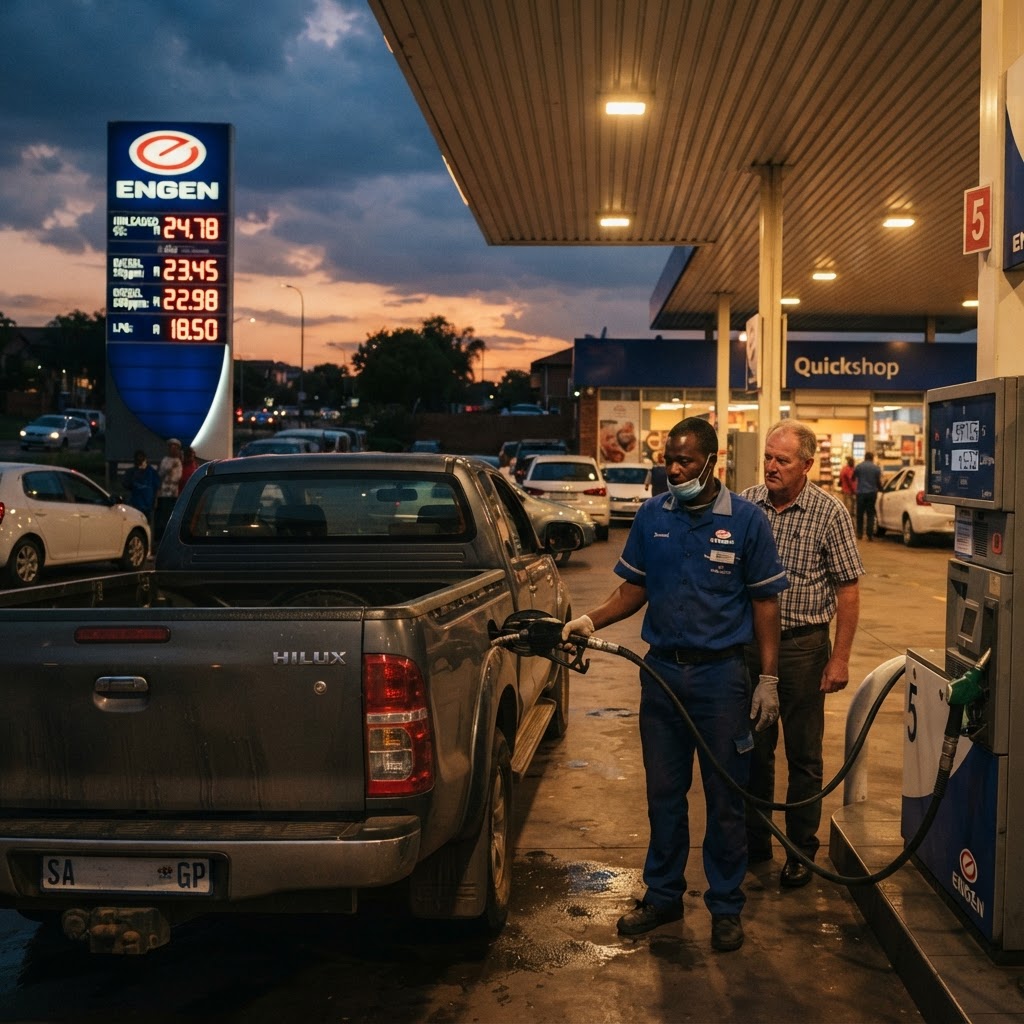
South African motorists woke up to one of the sharpest fuel price jumps in recent memory this September, with diesel climbing by nearly R3 per litre and petrol rising R1.34 per litre. The increases weren't driven by local taxes or levies — they stem almost entirely from global forces, with rising international refined product prices accounting for over 90% of the diesel hike. A jump in Brent crude, from $82.37 to $87.88 a barrel, combined with geopolitical tensions between the US and Iran, pushed up the cost of the fuel South Africa imports.
A smaller but notable factor was a government-approved 4.90 cents per litre increase in the retail margin, aimed at funding wage increases for forecourt staff. While modest compared to the international price swings, it's a reminder that fuel pricing in South Africa is a layered system where global markets, currency strength, and local policy decisions all combine at the pump.
For ordinary vehicle owners, this translates into materially higher costs to fill up, especially for diesel-powered bakkies, SUVs, and delivery vehicles that dominate SA's roads. Households already stretched by rising costs of living will feel this immediately, and the ripple effects — higher transport and logistics costs — will likely show up in grocery and goods prices within weeks.
This hike also lands at a sensitive time for the transport sector, with taxi associations and bus operators like Putco flagging serious strain on fare structures and operating margins. If you drive for a living, budget commuting costs, or manage a fleet, this is not a one-off news item — it's a signal to revisit your cost assumptions for the rest of 2026.
What Happened
On 2 September 2026, the Department of Mineral and Petroleum Resources implemented steep fuel price increases across the board. Petrol (93 and 95 unleaded) rose by R1.34 per litre, while diesel increases were even more severe: 0.05% sulphur diesel rose R2.939 per litre and 0.005% sulphur diesel rose R3.149 per litre. Illuminating paraffin and LPGas also increased, with the Western Cape seeing a slightly steeper LPGas hike than the national average.
The primary driver was international pricing — refined product costs on global markets accounted for roughly 93% of the diesel increase and 80% of the petrol increase. This was compounded by a rise in Brent crude prices and market uncertainty linked to US-Iran tensions. A stronger rand offered some cushioning, but not enough to prevent a net Basic Fuel Price under-recovery of R1.06 for petrol and R2.71 for diesel.
Separately, Minister Gwede Mantashe approved a 4.90 cents per litre retail margin increase, intended to support wage growth for pump attendants and cashiers — a smaller, policy-driven component layered onto the larger global price shock.
Why It Matters
For most South African households, fuel is a non-negotiable monthly expense, and a near-R3 diesel increase disproportionately affects those who rely on diesel bakkies, SUVs, and commercial vehicles — vehicle categories that are extremely common in SA for both personal and business use. Even petrol-only households face a real budget dent with the R1.34 per litre rise.
The broader economic knock-on is significant. Diesel powers much of SA's freight, logistics, and public transport backbone. When diesel spikes this sharply, transport operators like Putco and taxi associations absorb higher operating costs that typically get passed on through fares or, eventually, through higher prices on shelves. This means the fuel hike's true cost extends well beyond the forecourt.
For vehicle owners specifically, this is also a moment to reassess driving habits, service intervals, and vehicle efficiency — because fuel economy now has a bigger direct impact on your monthly budget than it did a month ago.
Who Is Affected
All South African motorists are affected, but diesel vehicle owners bear the brunt — this includes owners of popular diesel bakkies (Hilux, Ranger, D-Max, Amarok), diesel SUVs, and any commercial or fleet vehicle running on diesel. Fleet operators, logistics companies, and public transport providers (taxis, buses like Putco) face the sharpest operational cost increases. Western Cape residents using LPGas will see a marginally steeper increase than the rest of the country. Households already budgeting tightly for fuel, particularly commuters and small business owners using bakkies for work, will feel this hike most acutely.
What You Should Do
Start by recalculating your monthly transport budget using the new per-litre prices, particularly if you drive a diesel vehicle or manage a fleet. Small efficiency changes — maintaining correct tyre pressure, servicing your vehicle on schedule, removing unnecessary weight, and avoiding aggressive acceleration — can meaningfully reduce consumption and soften the blow.
If you're a fleet manager or small business owner reliant on diesel vehicles, review your pricing and logistics contracts now rather than waiting for margins to erode further. Consider whether route optimisation or load consolidation can reduce total litres consumed per month.
Finally, keep an eye on official fuel price announcements each month — South Africa's fuel pricing follows a predictable monthly review cycle tied to international benchmarks and the rand, so planning a few months ahead based on trend direction is more useful than reacting to each individual hike.
DriveLedger Insight
DriveLedger's analysis shows that fuel price shocks like this one tend to accelerate a shift in vehicle-buying behaviour toward fuel efficiency and hybrid options over the following 6-12 months, even in a market historically dominated by diesel bakkies. Owners who track their vehicle's real-world fuel consumption against manufacturer claims — rather than assuming they match — typically identify 5-10% in avoidable fuel wastage from underinflated tyres, delayed servicing, or suboptimal driving habits, which is now worth significantly more per litre saved than it was a month ago.
We also expect this hike to increase interest in vehicle history and maintenance verification, as owners look to sell fuel-inefficient vehicles before running costs climb further, making documented service records and verified fuel economy data a stronger selling point in the used vehicle market over the coming months.
Action Checklist
- Recalculate your monthly fuel budget using the new September 2026 prices
- Check tyre pressure and book any overdue services to maximise fuel efficiency
- If you manage a fleet, review routes and delivery schedules to cut unnecessary mileage
- Compare diesel vs petrol running costs if you're considering a vehicle change
- Track your vehicle's real fuel consumption against manufacturer figures monthly
- Business owners: review client pricing or contracts that don't account for fuel volatility
- Watch for next month's fuel price announcement to anticipate further changes