Fuel Prices Spike Again: What September's Hike Means for SA Drivers
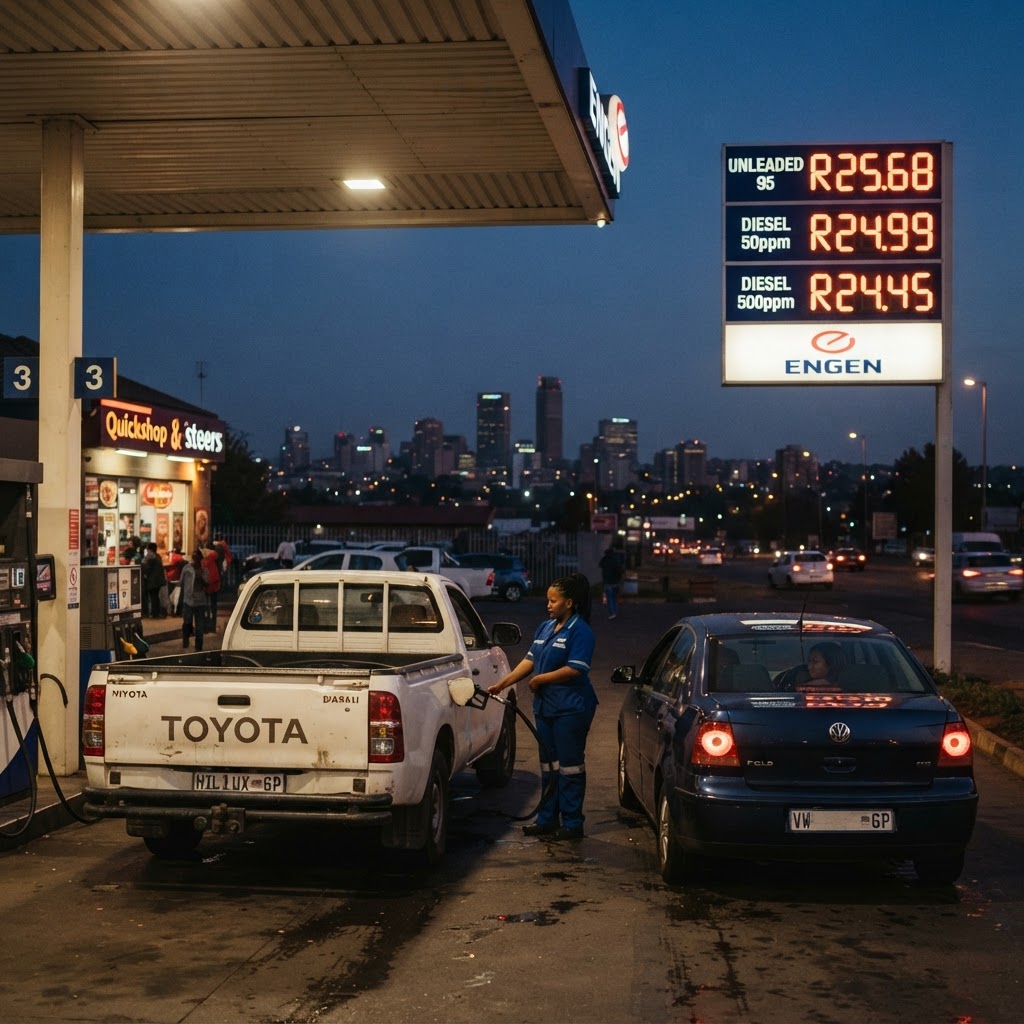
South African motorists woke up to another painful fuel price adjustment on 2 September 2026, with petrol climbing R1.34 per litre and diesel surging by as much as R3.15 per litre. This isn't a one-off shock — it's the latest chapter in a nearly seven-month run of volatility triggered by the US-Israel-Iran conflict, which has pushed Brent crude toward $90 a barrel and rattled global supply routes through the Strait of Hormuz.
What makes this increase sting more than usual is a hidden mechanism most drivers never see: the slate levy, a regulatory tool used to recover past under-recoveries in the fuel price system. That levy jumped by 21.90 cents per litre to plug a R9.5 billion shortfall accumulated by the end of July. In effect, motorists are now paying for both today's expensive oil and yesterday's pricing gaps simultaneously.
The knock-on effects are already visible in the broader economy. South Africa has spent an extra R56 billion on fuel since the conflict began — the most severe sustained fuel shock since the 1990 Gulf War. Diesel-dependent sectors like logistics, retail and telecoms are absorbing costs that will inevitably filter down to consumers through higher prices on groceries, delivery fees and services.
For the everyday driver, the practical reality is simple: fuel is now one of the most unpredictable line items in your monthly budget, and the trend since March — a R6.58/litre jump in 95 Unleaded alone — suggests this volatility isn't ending soon.
What Happened
Effective Wednesday, 2 September 2026, the Department of Mineral and Petroleum Resources implemented steep increases across the fuel price basket. Petrol rose by R1.34 per litre, while diesel increased between R2.94 and R3.15 per litre depending on grade and region. The adjustments reflect an under-recovery built up over the previous pricing cycle, driven primarily by rising international oil costs.
Two forces combined to produce this hike. First, Brent crude oil prices climbed to roughly $90 per barrel amid escalating tension in the Middle East, particularly uncertainty around oil shipments through the Strait of Hormuz. Second, government raised the slate levy — a mechanism used to recover shortfalls when local pump prices lag behind actual import costs — from 61.38 c/l to 83.28 c/l, adding nearly 22 cents per litre purely to cover a R9.519 billion deficit accumulated by end-July.
The rand's relative stability against the dollar wasn't enough to cushion the blow, since the increase in global refined product costs outweighed any currency benefit.
Why It Matters
This isn't just an inconvenience at the pump — it's a structural cost shock rippling through the entire economy. Diesel, the backbone of freight, retail distribution and telecom infrastructure, has risen roughly R11.60 per litre since the conflict began in February. Companies like Woolworths and MTN have already flagged diesel costs as a margin pressure point, and those costs rarely stay contained to corporate balance sheets — they get passed on to consumers through higher prices on food, data, and services.
For individual vehicle owners, the immediate impact is a tighter fuel budget, but the secondary impact — inflation eating into disposable income — may hurt just as much over time. Households that rely on private vehicles for commuting, especially in areas with poor public transport, will feel this hike disproportionately.
The slate levy increase also signals something important: government is playing catch-up on historical under-recovery, which means further price corrections are possible even if oil prices stabilise. This adds a layer of unpredictability that makes fuel budgeting harder than usual.
Who Is Affected
Every fuel-dependent driver in South Africa is affected, but the pain is uneven. Diesel vehicle owners — including bakkie owners, farmers, and small business operators using diesel LDVs and trucks — face the sharpest per-litre increase. Commercial fleet operators, logistics companies, and retailers dependent on diesel-powered distribution networks will see compounding cost pressure on operating margins.
Commuters using petrol vehicles for long daily distances, particularly in Gauteng, KwaZulu-Natal and the Western Cape's outer suburbs, will notice a meaningful jump in monthly fuel spend. Lower-income households with older, less fuel-efficient vehicles are especially exposed, since they typically have the least financial buffer to absorb these increases.
What You Should Do
Start by recalculating your monthly transport budget using the new fuel prices rather than last month's figures — this prevents unpleasant surprises later in the month. If you drive for work or run a small business with delivery vehicles, review your pricing or client rates to ensure fuel cost increases don't silently erode your margins.
Consider consolidating trips, reviewing your driving habits for fuel efficiency, and checking tyre pressure and service intervals, since a poorly maintained vehicle can burn 10-15% more fuel than necessary. If you're in the market for a new vehicle, factor long-term fuel costs — not just purchase price — into your decision, especially given the ongoing volatility.
Finally, keep an eye on the slate levy and international oil price trends over the next few months. Given the unresolved geopolitical tension, further price movement — in either direction — remains a real possibility.
DriveLedger Insight
DriveLedger's cost modelling shows that the compounding effect of the slate levy correction plus geopolitical oil volatility means South African fuel prices are now effectively carrying two separate risk premiums at once — a rare and painful combination. Historically, slate levy corrections have been spread out to soften impact; bundling this correction with an active international oil shock suggests government may be prioritising fiscal stability over short-term consumer relief. Our advice to owners: build a fuel cost buffer of at least 15% above your usual monthly spend for the remainder of 2026, because the current pricing environment shows no clear signs of near-term stabilisation.
Action Checklist
- Recalculate your monthly fuel budget using the new petrol and diesel prices
- Check tyre pressure and service schedule to maximise fuel efficiency
- If self-employed or running a delivery service, review client pricing to reflect new diesel costs
- Consolidate errands and commutes where possible to reduce total litres used
- Track international oil price and Rand/Dollar trends weekly if you're a heavy fuel user
- Build a 15% fuel cost buffer into your household or business budget for the rest of 2026
- Compare fuel-efficient vehicle options if you're planning a vehicle purchase this year