Fuel Prices Set to Spike 2 September: Diesel Hit Hardest, Here's the Plan
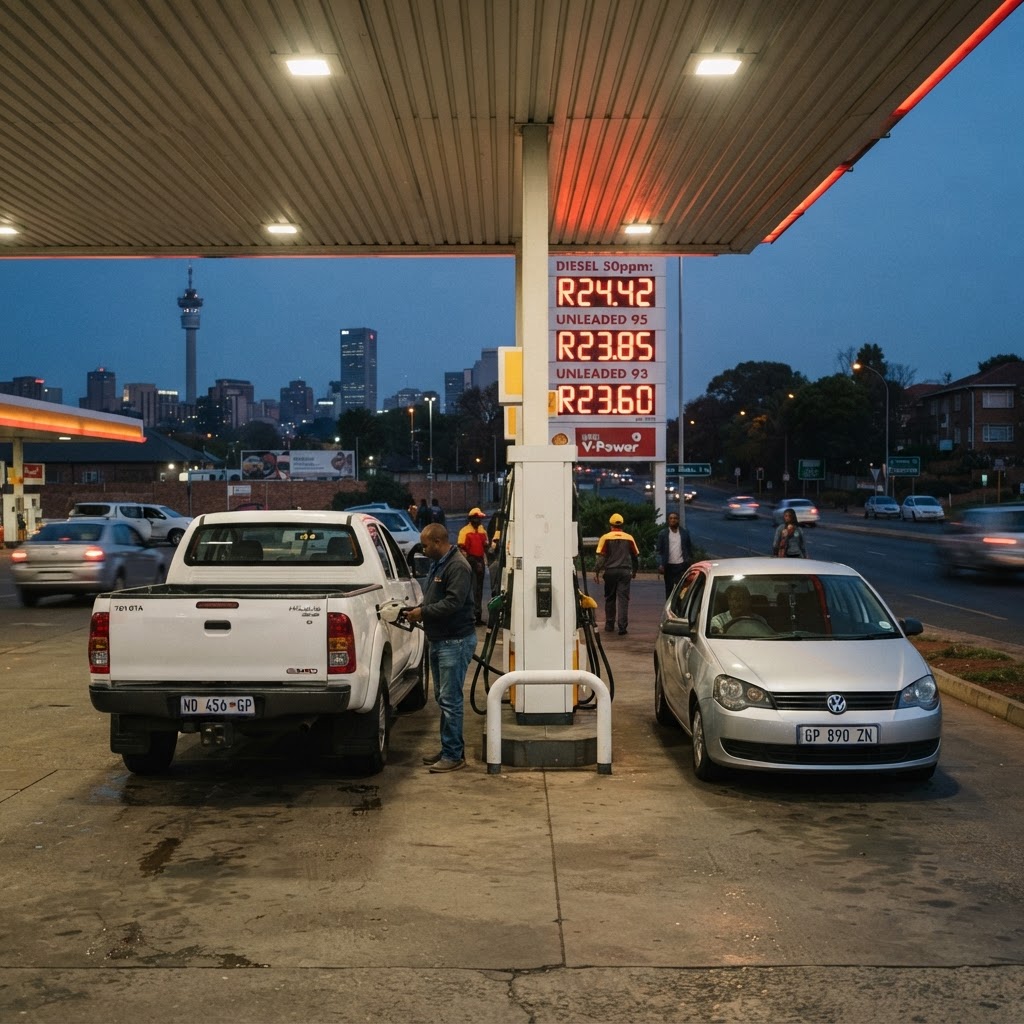
South African motorists should brace for a sharp fuel price increase from Wednesday, 2 September 2026, driven by a spike in international oil prices and Middle East tensions during the review period. Diesel bears the brunt of the hike, rising by roughly R3.04–R3.05 per litre for 50ppm and R2.85 for 500ppm, while petrol increases are comparatively softer at just over R1 per litre for 95 ULP and under a rand for 93 ULP. Illuminating paraffin, a lifeline fuel for lower-income households, climbs by over R2 per litre too.
The increases would have been far worse — diesel under-recoveries were initially tracked as high as R5.48 per litre — but a partial cooling of oil prices and a resilient Rand clawed back some of the pain. Even so, this remains one of the steepest single-month diesel hikes South Africa has seen in recent years, and it lands at a time when Gauteng is also proposing higher vehicle licensing fees.
For everyday drivers, the numbers translate directly into household budgets: an 80-litre bakkie tank now costs about R243 more to fill, while a 45-litre sedan tank costs about R46 more. Multiply that across weekly commutes, school runs and business deliveries, and the cumulative effect on transport, food and logistics costs becomes significant.
This is not simply a fuel story — it's a cost-of-ownership story. DriveLedger's role is to help you translate this pricing shock into a concrete household and vehicle budgeting plan, rather than just another headline to scroll past.
What Happened
The Central Energy Fund's latest fuel price tracking data confirms that South African fuel prices will rise sharply from 2 September 2026, following a review period covering 31 July to 25 August. Diesel prices are set to increase by around R2.85 to R3.05 per litre depending on grade, while 95 and 93 unleaded petrol rise by roughly R0.92 to R1.04 per litre. Illuminating paraffin, used widely in low-income households for cooking and lighting, increases by more than R2 per litre.
The driver behind this increase is a surge in international crude oil prices during August, intensified by escalating conflict in the Middle East. Early-month projections were even harsher, with diesel under-recoveries initially modelled at R5.48 per litre, but a partial easing of oil prices and a steadier Rand toward the end of the review period reduced the final adjustment.
Globally, oil markets are also being reshaped by China's changing demand patterns — the country has cut crude imports nearly in half since early 2026, partly due to its strategic reserves and partly due to rapid EV adoption, now covering roughly half of new passenger vehicles sold there. This shift is beginning to influence international pricing dynamics that eventually reach South African pumps.
Why It Matters
Diesel increases hit far beyond private vehicle owners. Diesel powers the trucks, buses, tractors and construction equipment that keep South Africa's logistics, agriculture and retail supply chains moving. A R3 per litre jump in diesel costs will almost certainly filter through to higher prices for groceries, building materials and freight-dependent goods over the coming weeks — a delayed but very real cost to every household, even non-drivers.
For bakkie owners — among the most popular vehicle segments in SA — the impact is immediate and tangible. An extra R243 per full tank adds up quickly for delivery drivers, farmers, and tradespeople who fill up multiple times a week. Petrol drivers face a smaller but still noticeable pinch, particularly commuters already managing tight monthly budgets.
The timing compounds the pressure: Gauteng's proposed licensing fee hikes — up to R1,836 for larger SUVs and sedans — mean vehicle owners in that province could be facing a two-pronged cost increase in the same quarter. Combined, fuel and compliance cost increases erode the affordability margin many households rely on to keep vehicles on the road legally and safely maintained.
Who Is Affected
All South African motorists are affected, but diesel vehicle owners — particularly bakkie drivers (Toyota Hilux, Ford Ranger, Isuzu D-Max), fleet operators, farmers, and logistics companies — will feel the sharpest cost increase. Commercial transport operators relying on diesel trucks and buses face materially higher operating costs that may be passed on to consumers.
Petrol vehicle owners, especially those driving smaller sedans and hatchbacks, face a milder but still real increase. Low-income households dependent on illuminating paraffin for cooking and heating will also be squeezed by the steep paraffin price rise. Gauteng-based vehicle owners face the added burden of proposed licensing fee increases under public review until 23 September 2026.
What You Should Do
Fill your tank before Tuesday 1 September if your budget allows — locking in the current, lower price before the Wednesday increase is one of the few genuinely actionable savings available right now. Diesel users, particularly business owners and farmers running multiple vehicles, should consider adjusting fuel budgets and client pricing in advance rather than reacting after the increase hits.
Review your monthly transport budget now rather than waiting for the next bank statement shock. If you're in Gauteng, take the time to read and, if relevant, submit comments on the proposed licensing fee changes before the 23 September deadline — this is a rare window where public input can directly influence your future costs.
Finally, use this price shock as a prompt to reassess your vehicle's fuel efficiency. Simple habits — maintaining correct tyre pressure, avoiding unnecessary idling, and keeping up with servicing — can meaningfully offset a portion of the increase over time.
DriveLedger Insight
What most coverage of fuel price hikes misses is the compounding effect on total cost of ownership. A R3/litre diesel increase doesn't just cost you more at the pump — it quietly inflates your vehicle's effective running cost per kilometre, which affects resale value calculations, fleet replacement cycles, and even insurance premium assessments tied to usage patterns. Owners who track cost-per-kilometre trends, rather than just headline pump prices, are far better positioned to decide whether to hold onto a diesel vehicle, switch to a more efficient model, or delay a planned upgrade.
We also flag the Gauteng licensing fee proposal as a signal, not an isolated event — provincial transport departments across SA are increasingly looking at registration and licensing revenue to offset infrastructure costs. Expect similar proposals in other provinces within the next 12-18 months, so budgeting for rising compliance costs, not just fuel costs, should now be a standing part of your vehicle ownership plan.
Action Checklist
- Fill your tank before Tuesday 1 September to beat the Wednesday price increase
- Recalculate your monthly fuel budget using the new diesel and petrol prices
- Diesel-dependent business owners: review pricing/margins to absorb the R2.85–R3.05/litre increase
- Gauteng residents: read and submit input on proposed licensing fee changes before 23 September 2026
- Check tyre pressure and schedule any overdue servicing to improve fuel efficiency
- Track your vehicle's cost-per-kilometre trend to inform future upgrade or resale decisions
- Low-income households: budget in advance for the paraffin price increase of over R2/litre